Living in the Resurrection
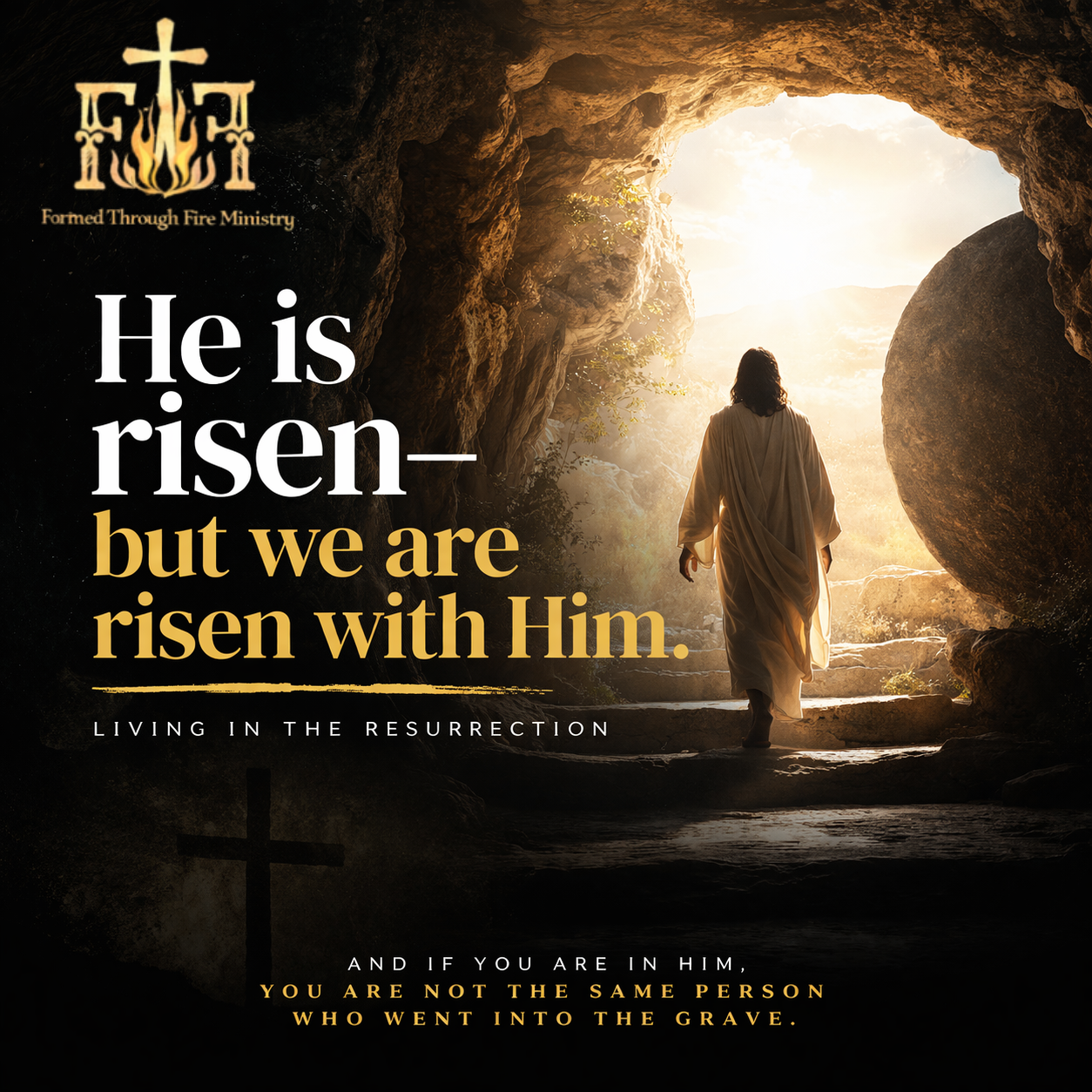
He is risen—but we are risen with Him.
Yesterday, we celebrated the resurrection of Jesus Christ. We reflected on the cross, remembered the sacrifice, and rejoiced in the truth that the grave could not hold Him. The resurrection stands as the defining declaration of our faith—that sin was paid for, death was defeated, and Jesus is alive.
But the resurrection was never meant to remain a moment we acknowledge once a year. It was not given simply as something to celebrate—it was given as a reality to live from. The question is not only whether we believe He is risen, but whether we are living as those who have been raised with Him.
The Resurrection Is Not Only an Event—It Is a Reality We Were Brought Into
Scripture presents salvation as far more than forgiveness. It reveals a complete transformation of life through union with Christ. Through Him, we were not only redeemed—we were crucified with Him, buried with Him, and raised with Him.
Romans 6:4–5, Colossians 2:12–13, Ephesians 2:5–6
This means the resurrection did not just happen for us—it is something we were brought into. We were not simply given a clean slate; we were given new life. The old life was put to death, and a new life was established in Christ. Salvation is not just about what we were saved from—it is about what we were brought into.
Resurrection Didn’t Just Change Your Eternity—It Redefined Your Identity
If you are in Christ, your identity is no longer rooted in who you were. It is no longer defined by your past, your patterns, or your struggles. You have been made new, and that newness is not theoretical—it is present and active.
Colossians 3:1–3, 2 Corinthians 5:17, Galatians 2:20
The resurrection established a new identity. You are no longer living from the old self, even if you are still familiar with it. The issue is not whether this transformation has taken place, but whether it is being recognized and lived from. Many believers understand forgiveness, but have not fully stepped into the reality of being made new.
The Power That Raised Christ Is Now at Work in You
The resurrection was not only a demonstration of God’s power—it was a transfer of it. The same power that raised Christ from the dead is now at work in those who believe. This power was not given for occasional moments of encouragement or emotional experience, but for transformation.
Ephesians 1:19–20, Romans 8:11, Romans 8:13
Resurrection power is the power to put the flesh to death, to renew the mind, to walk in obedience, and to break agreement with sin. It is not something external that we are trying to access—it is something internal that we are called to live from. The Christian life is not sustained by effort alone, but by alignment with what God has already placed within us.
The Disconnect We Ignore
While we celebrate the resurrection, there is often a visible disconnect between what we declare and how we live. We proclaim that Jesus is alive, yet continue to live as if we are still bound to the same patterns, thoughts, and struggles.
Romans 6:6–7, Galatians 5:16–17
This disconnect is not due to a lack of power, nor is it because God has withheld anything from us. It exists because what has been made available is not being lived from. We continue to fight for freedom as if it has not already been given, and in doing so, we remain stuck in patterns that no longer have rightful authority.
The Grave We Keep Returning To
The old self was crucified with Christ. That is not symbolic language—it is a spiritual reality. The identity we once lived from, along with the patterns and agreements tied to it, was put to death.
Romans 6:11, Ephesians 4:22–24
And yet, many believers continue to return to what has already been buried. This does not happen physically, but through thought patterns, beliefs, and choices. It shows up in identifying with who we used to be, rehearsing thoughts that no longer align with truth, justifying what Scripture calls us to crucify, and resisting surrender while still desiring freedom.
This is not a power issue—it is an identity issue. When we continue to identify with what has already died, we will continue to live as if it still has authority.
Living in the Resurrection
Living in the resurrection is not about striving to become something new—it is about recognizing that you already are. You are not waiting for transformation; you have been brought into it. You are not waiting for power; it has already been given.
Colossians 3:10, Romans 8:10
The question is not whether the resurrection changed anything. The question is whether we are living in alignment with what it has already changed. This requires a shift from effort to agreement, from striving to alignment, and from identification with the old self to identification with Christ.
Step Out of the Grave
The grave is empty, but many continue to live as though they are still in it. The call is not to try harder, but to step into what is already true. This means letting go of what has been put to death and choosing to walk in the life that has already been given.
Galatians 5:24–25, Romans 6:13
This is a daily decision to align with truth, to reject what no longer has authority, and to live from the identity established through the resurrection.
He is risen.
And if you are in Him, you are not the same person who went into the grave.